


Sports flooring is a key component that determines the quality of performance and player safety, whether in schools or sports clubs. Acrylic flooring stands out as an ideal choice thanks to its unique properties of durability, flexibility, and ease of maintenance. In this article, we explore the advantages of acrylic sports flooring, its types, and prices in detail.
If you want to know all the details about building a squash court, check out the following article!
Cost of building a squash court – building squash courts
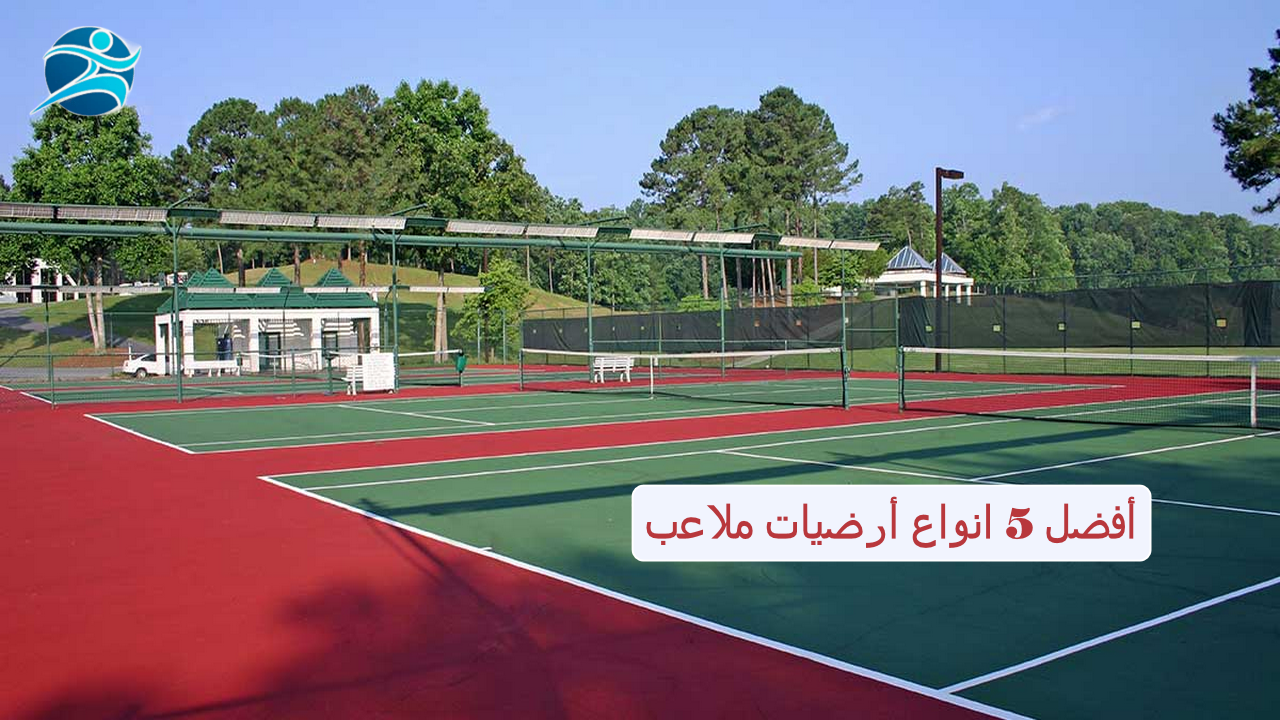
Best types of playground flooring
Sports flooring types vary depending on the sporting activity, location, and use, with each type having its own distinct characteristics in terms of performance, comfort, and safety. The following are the most prominent and best types of sports flooring currently in use:
- Acrylic flooring
is ideal for tennis courts, basketball courts, and school playgrounds. It is weather-resistant, provides a safe and comfortable surface, and is less expensive than other types. - Tartan (or PU) flooring
is widely used on running tracks and multi-purpose courts. Known for its high resilience and wear resistance, it is ideal for absorbing shock and reducing player injuries.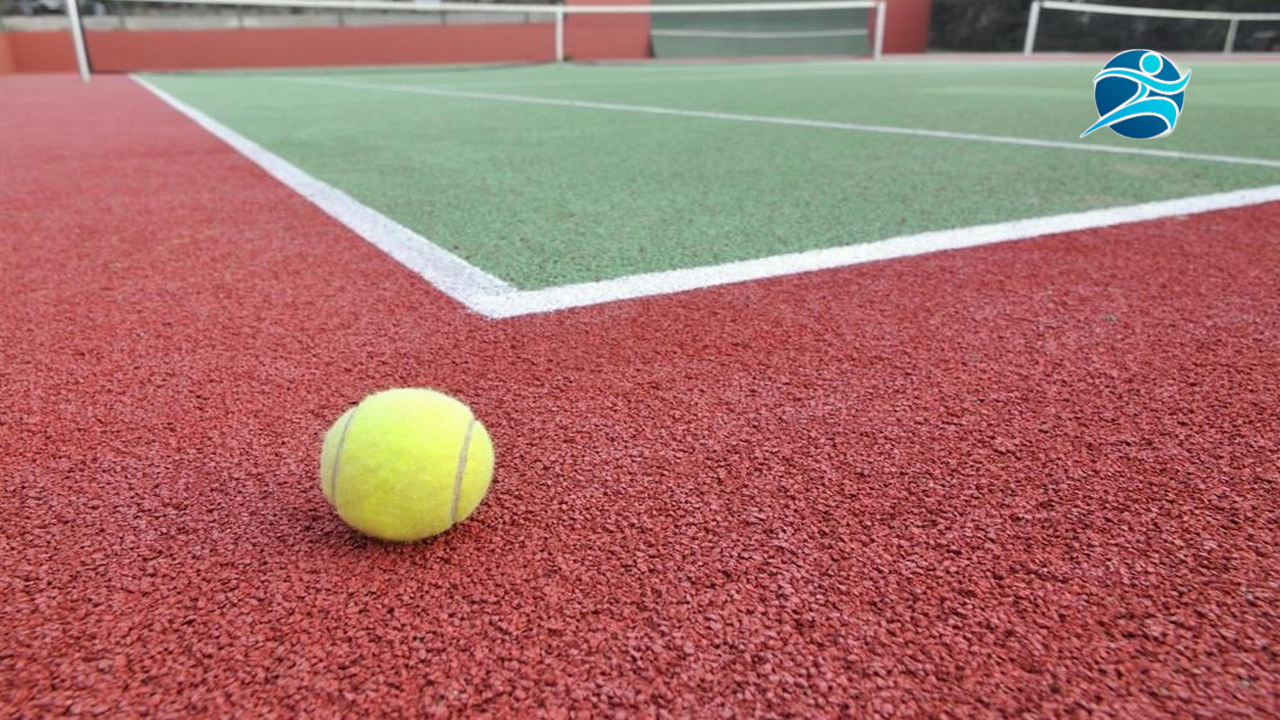
Tartan flooring - Artificial grass
is often used in football fields, providing a feel close to natural grass with less maintenance and greater durability under heavy use.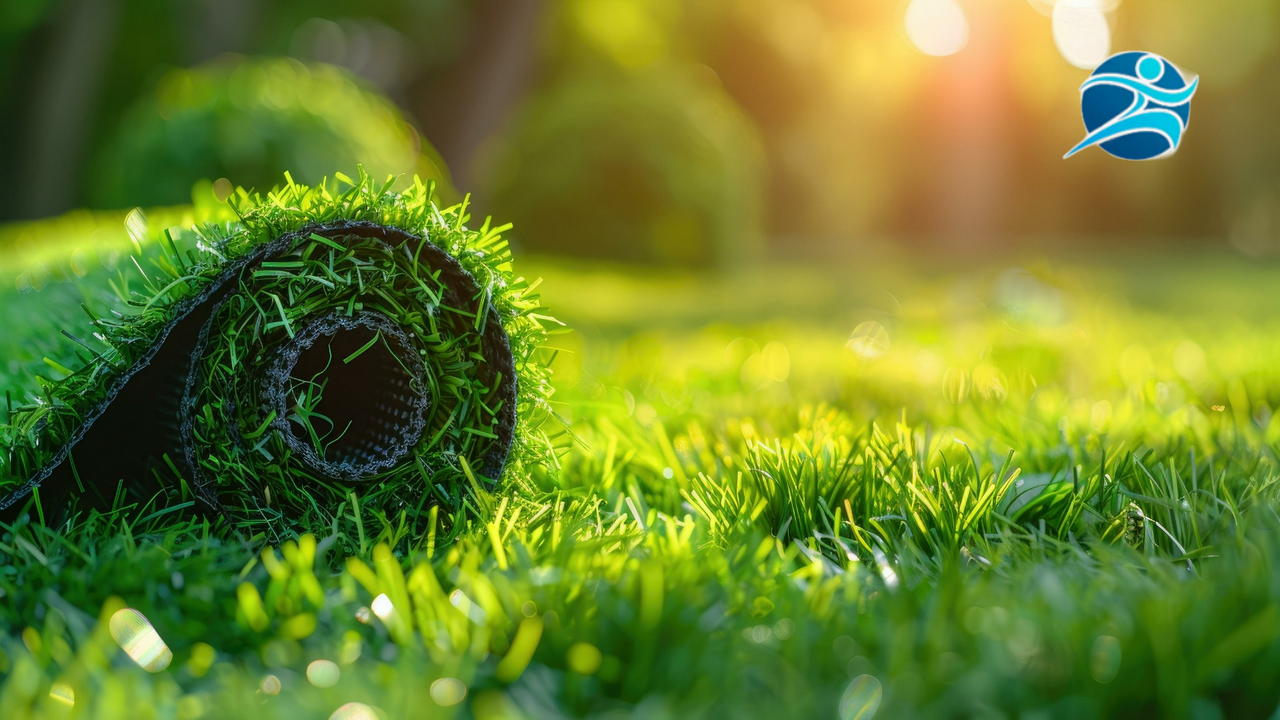
Artificial Grass Flooring - Hardwood flooring
is used indoors for basketball, handball, and volleyball courts. It offers high stability and excellent athletic performance, but requires careful maintenance.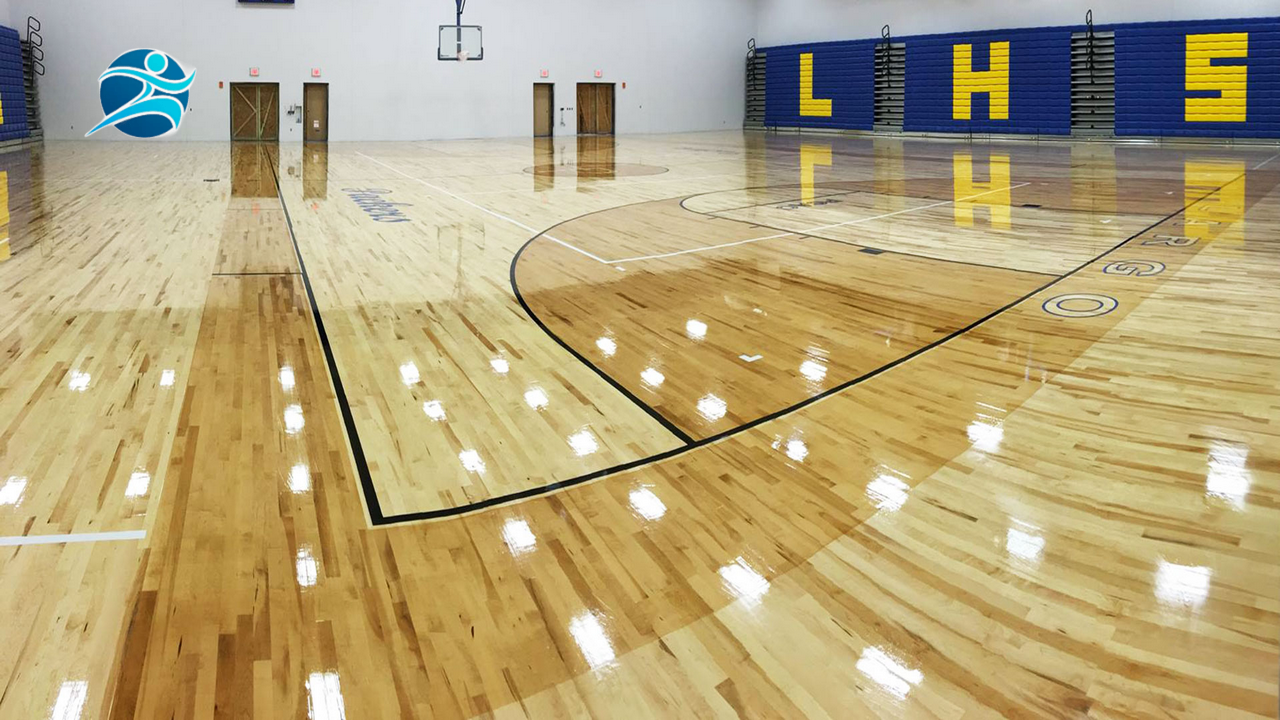
Hardwood Flooring - PVC or vinyl sports flooring
is a popular choice for indoor playgrounds, such as school and club courts. It is wear-resistant and offers a good balance between performance and cost.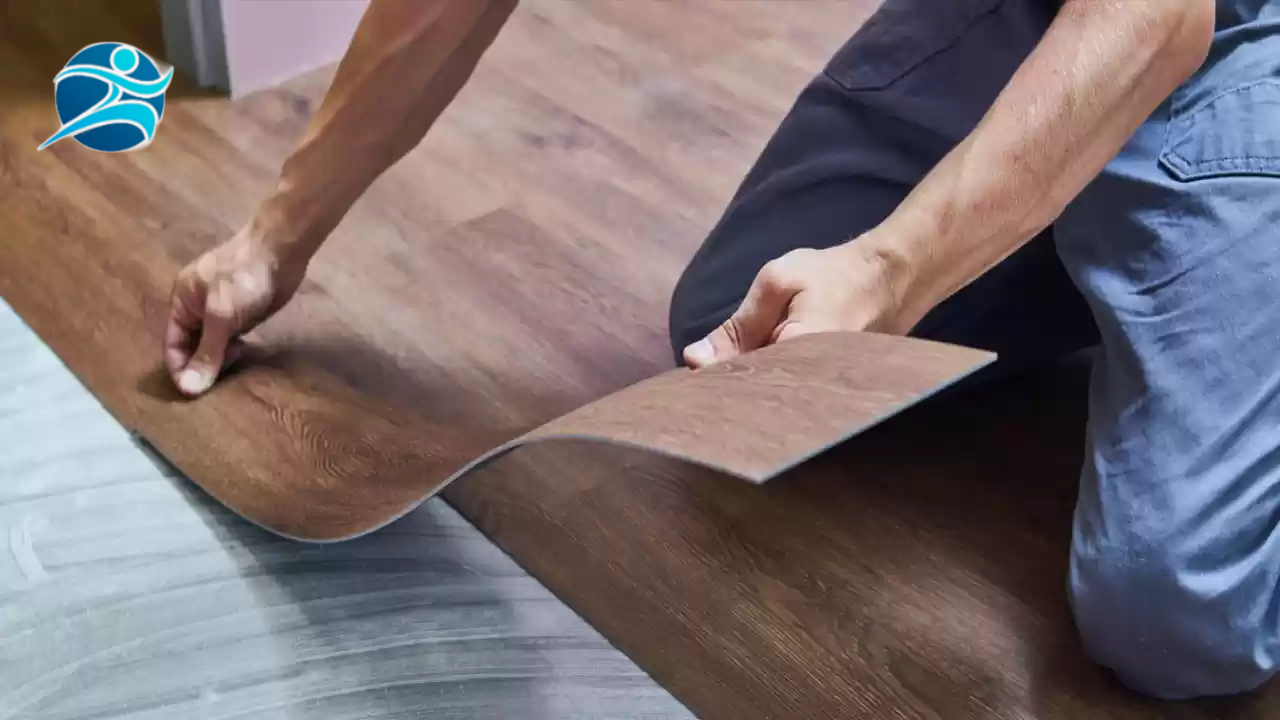
PVC or vinyl sports flooring
Advantages of acrylic playground floors
Acrylic court flooring is one of the most popular and widely used types of flooring for outdoor playgrounds, due to its numerous advantages that make it an ideal choice for schools, clubs, and sports complexes. Some of the most notable advantages include:
1. High weather resistance of acrylic floors
One of the most notable advantages of acrylic court floors is their ability to withstand various climatic conditions. These floors are specifically designed to withstand the harshest outdoor environments without compromising their quality or appearance. Below is an explanation of the most important aspects related to their durability:
- UV Resistant:
Acrylic materials contain UV-resistant compounds, which prevent colors from fading or surface layers from cracking over time, even in hot and sunny areas. - Stability in high and low temperatures:
Acrylic floors remain stable without excessive expansion or contraction, whether in hot summers or cold winters, making them suitable for all seasons. - Rain and moisture resistance:
These floors are resistant to water and do not absorb it, preventing it from accumulating on the surface thanks to the well-designed slope of the floor, which reduces the chances of slipping or wear. - Long lifespan:
Thanks to their weather-resistant properties, acrylic flooring maintains its performance and quality for years without the need for resurfacing or extensive maintenance. - Stable Outdoor Performance:
The properties of friction, stability and flexibility remain balanced even after prolonged exposure to environmental factors, maintaining the gaming experience and safety.
2. Player safety on acrylic floors
Safety is a key factor when designing any sports field, and acrylic court floors provide high levels of safety for players of all ages, especially in school and training settings. Here’s how these floors help protect players:
- Shock absorption
: It contains rubber underlays that absorb a large portion of the shocks resulting from running or jumping, reducing pressure on joints and knees and preventing chronic physical stress. - Non-slip flat surface
The surface is designed with slip-resistant materials, even when exposed to water or moisture, ensuring good balance and stability during movement, and reducing the chances of falls or injuries. - Safe, non-sharp edges
: When installing acrylic court floors, the side edges of the court are covered or protected, preventing injuries in the event of a collision with the edges. - Reducing injuries in falls
: It provides a relatively flexible surface layer that helps cushion the impact of falls, especially in high-speed sports such as basketball or tennis. - Suitable for children and the elderly,
acrylic is widely used in school playgrounds and public parks, where it is relied upon to protect the most vulnerable groups.
3. Easy maintenance and cleaning of acrylic floors
One of the most prominent advantages that makes acrylic flooring a favorite among many sports institutions and schools is its ease of maintenance and regular cleaning without the need for specialized equipment or high costs. The most important aspects related to its maintenance are:
- Non-porous surface
Acrylic floors are designed with smooth, non-porous layers, which prevents the absorption of dust or liquids, making it easy to remove dirt using water and regular brooms or mops. - No need for harsh cleaning chemicals.
Floors can be cleaned using only lukewarm water and mild soap, without the need for abrasive or expensive materials, thus protecting the floor surface from corrosion or discoloration. - Regular preventive maintenance
includes removing leaves, gravel, or debris that may accumulate on the surface to prevent scratches or loss of surface smoothness. - Possibility of paint renewal
: The surface can be easily repainted with a new acrylic layer, restoring the appearance and quality of the box without having to remove the old layer. - Withstands heavy use
Acrylic floors retain their appearance and performance, requiring only heavy maintenance for years.
4. Variety of colors and designs in acrylic floors
Aesthetics are an important element in playground design, whether for children, school activities, or even official tournaments. Acrylic playground floors offer great flexibility in this regard, thanks to their variety of colors and the ability to customize their design to suit the identity of the venue and the nature of the sporting activity. The advantages of this variety include:
- Wide range of colors
Acrylic floors are available in a rich array of bright and muted colors such as blue, green, red, orange, gray, and more. - The possibility of combining more than one color.
The stadium can be designed using two or more colors, whether to define playing areas, mark out safety areas, or add an attractive artistic look to the stadium floor. - High-precision line drawing
allows sports courts (such as tennis, basketball, or handball lines) to be marked with extreme precision using special weather-resistant paints, making them ideal for official matches or professional training. - Custom Designs:
The design can be fully customized to suit school playgrounds or recreational parks, including adding logos, educational graphics, or directional symbols to the flooring in a compact and attractive way. - Visual appeal enhances the gaming experience.
Bright colors and contrast between areas contribute to improved visibility and discrimination during gameplay, increasing player enjoyment and psychological comfort during training or matches.
5. The economical cost of acrylic flooring
Acrylic playground flooring is an economical choice, making it suitable for many projects, whether small or large, governmental or private. It features the following:
- Low Installation Costs
The installation costs of acrylic court floors are very reasonable when compared to other types of court floors. - No complex preparation required
Acrylic coatings can be installed over concrete or asphalt surfaces without the need for complex or expensive floor preparation systems. - Long lifespan versus cost
Acrylic floors last for years with minimal maintenance, meaning long-term savings and no need for expensive periodic renewal. - Low maintenance:
Acrylic floors require only simple cleaning with water and regular detergents, reducing operating costs. - Possibility of renewal without complete removal
A new acrylic layer can simply be reapplied over the existing surface, saving time and cost compared to completely removing the old floor. - Suitable for institutions with limited budgets,
so it is very suitable for schools, community clubs, and youth centers.
6. Ease of implementation of acrylic floors
Acrylic playground floors are easy to install and don’t require complex construction or a long construction time. This makes them a practical choice for many projects. Here are the basic installation steps:
- Preparing the base surface
Installation begins with preparing the solid base, which must be level, clean, and free of any oils, dust, or cracks. Concrete or asphalt can be used as the main base. - Treating gaps and cracks
: In this step, any cracks or holes are filled using specialized materials to ensure a homogeneous surface that prevents future corrosion of the acrylic layer. - Applying a primer coat:
A primer coat is applied to enhance adhesion between the base surface and subsequent acrylic layers, and is an important step to ensure the durability of the floor. - Applying base coats
Acrylic base coats are applied and spread using special tools such as rubber trowels to ensure uniform distribution and precise thickness. - Coloring and Outlining
After the base coats have dried, the final color is applied according to the desired design, and then the playing lines are painted using weather-resistant paints.
What are the technical specifications of acrylic playgrounds?
The technical specifications for acrylic playgrounds are essential factors that ensure quality performance and user safety. They include a set of standards related to floor installation, as follows:
- Base type:
- Asphalt or reinforced concrete is used as the base.
- The base must be completely level with a drainage slope of no more than 1%.
- The thickness of the concrete base is often not less than 10 cm.
- Class system:
- The system consists of 3 to 5 acrylic layers (depending on the type of system: hard or soft).
- In the Soft Acrylic system, flexible rubber layers (usually 2–3 mm) are added.
- Total thickness ranges from 2 to 5 mm.
- Materials used:
- UV Resistant Acrylic Materials.
- Anti-slip.
- Environmentally friendly materials, lead and mercury free.
- Colors and layout:
- Permanent colors that resist fading due to sunlight or weather conditions.
- The playing lines are precisely drawn using chip-resistant paints.
- The design can be customized with colors according to the type of sport or corporate identity.
- Endurance and toughness:
- Resistant to wear and friction from repeated movement.
- Life expectancy of 5 to 10 years depending on use and maintenance.
- Safety and comfort:
- The surface is non-slip to reduce the possibility of injury.
- In the Soft Acrylic system, the surface has a high shock absorption capacity, which protects the players’ joints.
- Standard area:
- It varies depending on the type of sport, such as:
- Tennis court: 18 x 36 meters.
- Basketball: 15 x 28 meters.
- Pentathlon: 20 x 40 meters.
- Suitable installation temperature:
- Acrylic coatings are applied at temperatures ranging from 10 to 35°C to ensure quality adhesion.
 Are You Looking for the Best Solutions to Equip your Fields with Artificial Turf?
 Call us now |
  Contact us via WhatsApp |